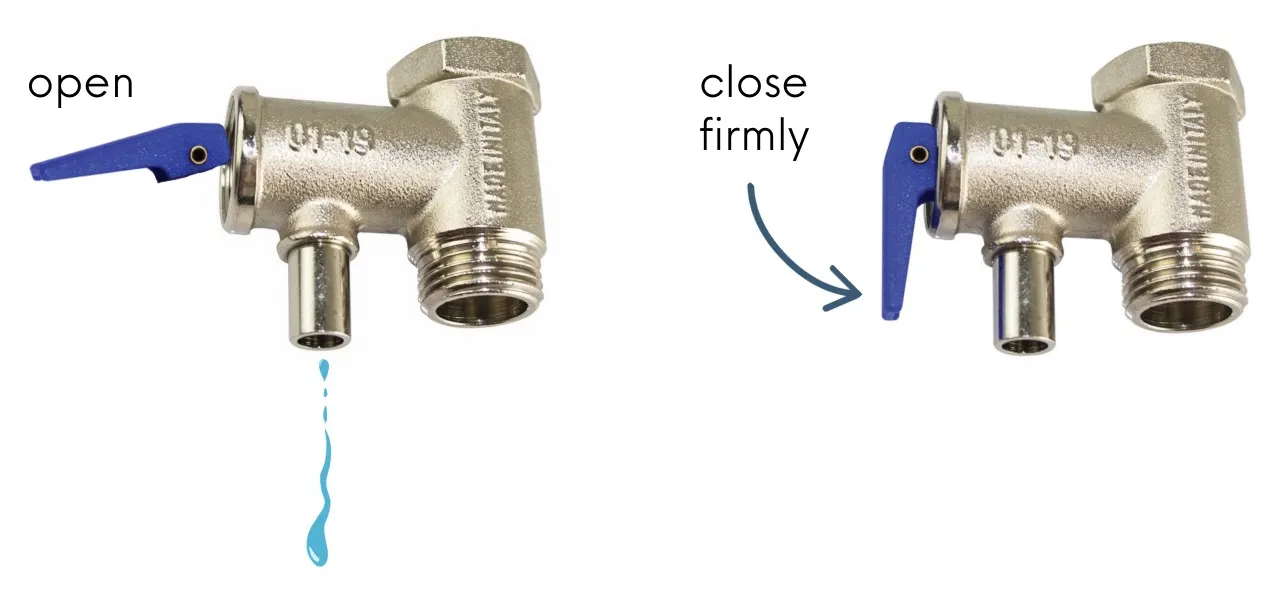
A relief valve leak is often normal. Small drips happen when water heats up and expands inside the tank. But a constant leak, a leak with strong flow, or a leak when the heater is off can mean high water pressure, dirt in the valve, or a worn valve. Read on to find out which one you have.
1. What is a Relief Valve?
A relief valve is a safety device fitted to tank or storage water heaters. It is not used on instant tankless heaters
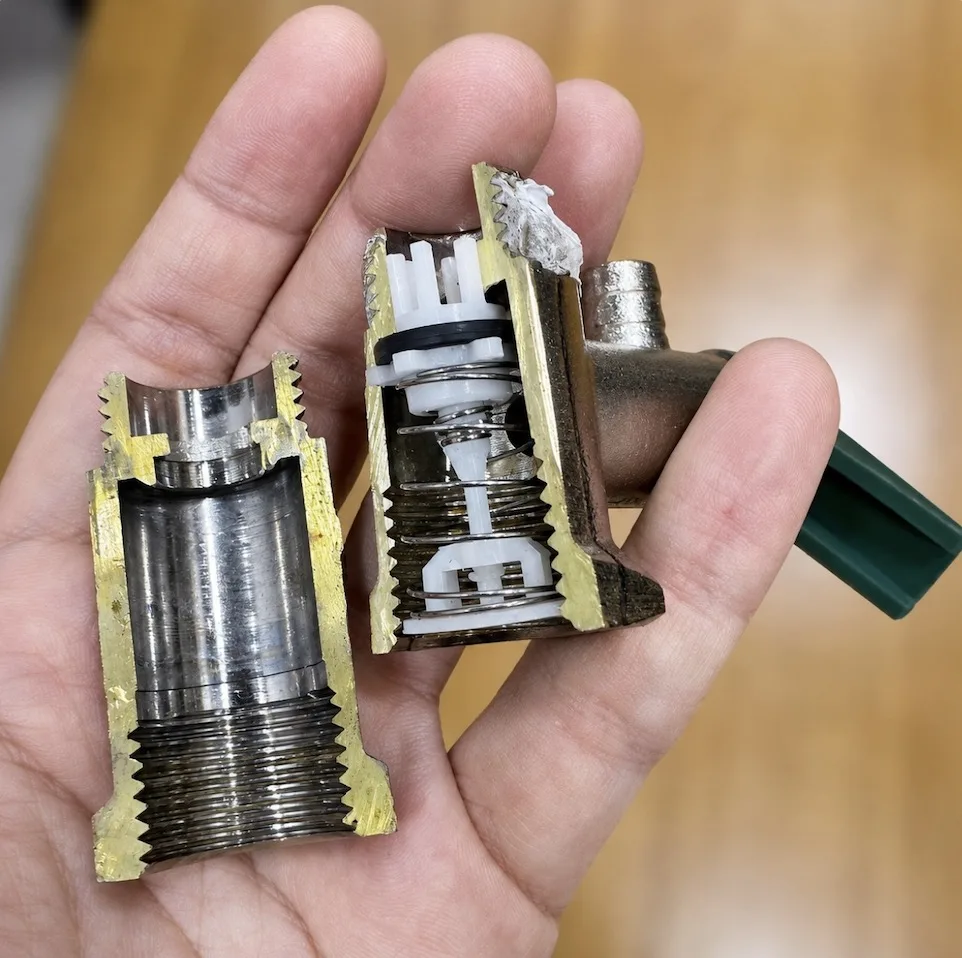
The relief valve function is simple:
1. Water heats up and expands inside the tank.
2. This raises pressure inside the tank.
3. If pressure gets too high, the valve opens and lets a bit of water out.
4. This stops the tank from building up too much pressure.
A small drip now and then is the sign of a healthy relief valve.
2. Is Your Relief Valve Leak Normal?
Not every leak is normal. Here is how to tell the difference.
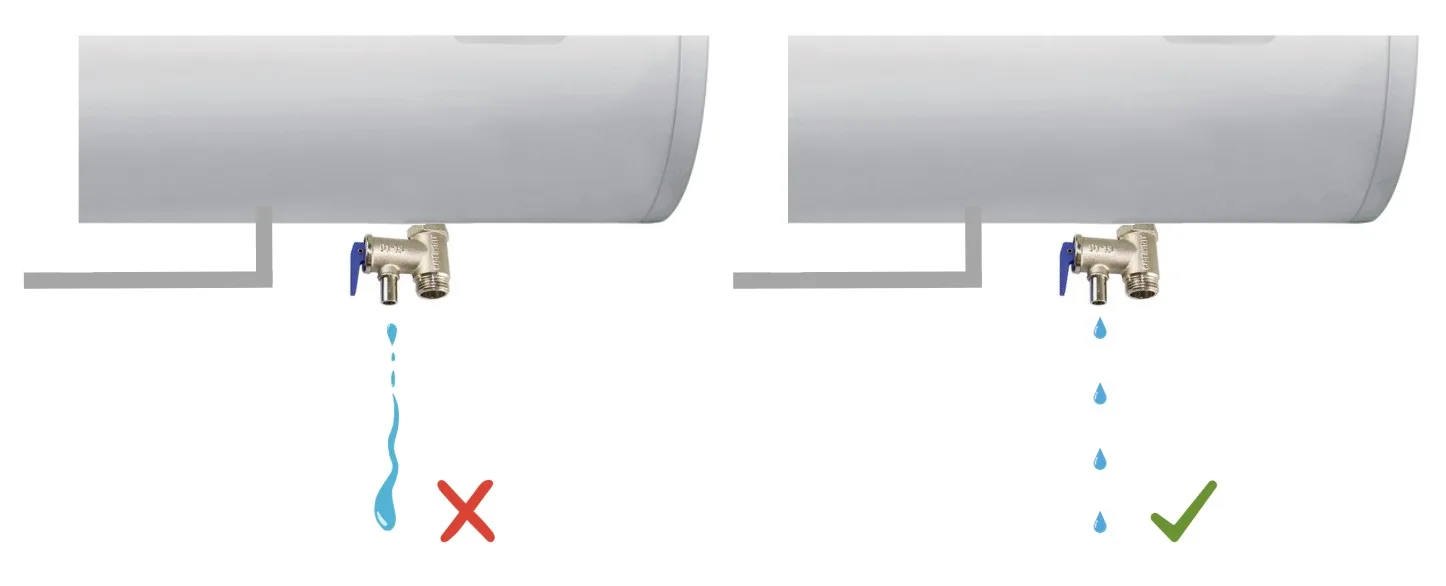
Normal:
• A few drops, now and then.
• Happens mostly when the heater is on and water is heating up.
• Stops on its own after a short while.
Not normal:
• A steady trickle or stream of water.
• Loud sounds coming from the valve.
• You see rust or dirt coming out with the water.
If your leak is not normal, you should find out why.
3. Why does the Relief Valve Leak When the Heater is Off?
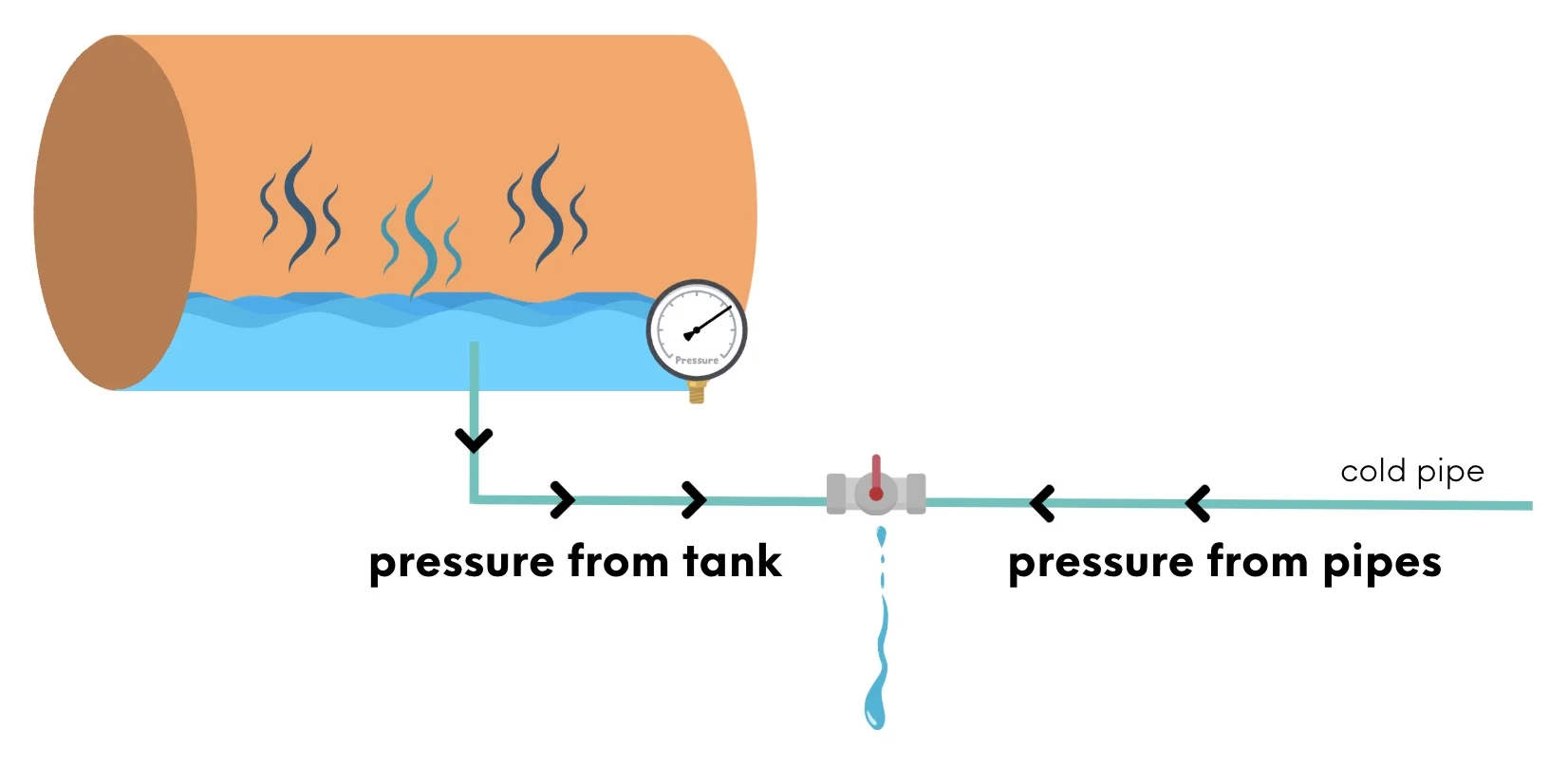
The valve gets pressure from two sides.
On the tank side, the heater's water expansion pushes pressure towards the valve.
On the cold pipe side, block water pressure is pushed to the valve, even when the heater is off. This pressure has nothing to do with the heater. If pipe pressure is high, the valve can still leak.
Water pressure in high-rise flats also changes through the day:
Morning peak 6 to 9am: many households drawing water at the same time. Block water pressure tends to be lower.
Off-peak 1to 5pm: fewer people using water. Water pressure rises higher.
Evening peak 6 to 10pm
This is also why a relief valve may leak in the afternoon, and stop at night.
4. What Causes a Relief Valve to Spoil?
Wear and tear
Valves don't last forever. Get them checked every 3 years to make sure it still works well.
Water pressure is too high
Normal water pressure is 2 to 3 bars. Anything above 4 bars is high. Sometimes this goes up to a crazy 7 to 9 bars. You want to keep your water pressure in the normal range as high pressure will put great stress on your mixers and fittings like the relief valve.
Under too much pressure, your relief valve can break and start leaking full flow, like a tap.
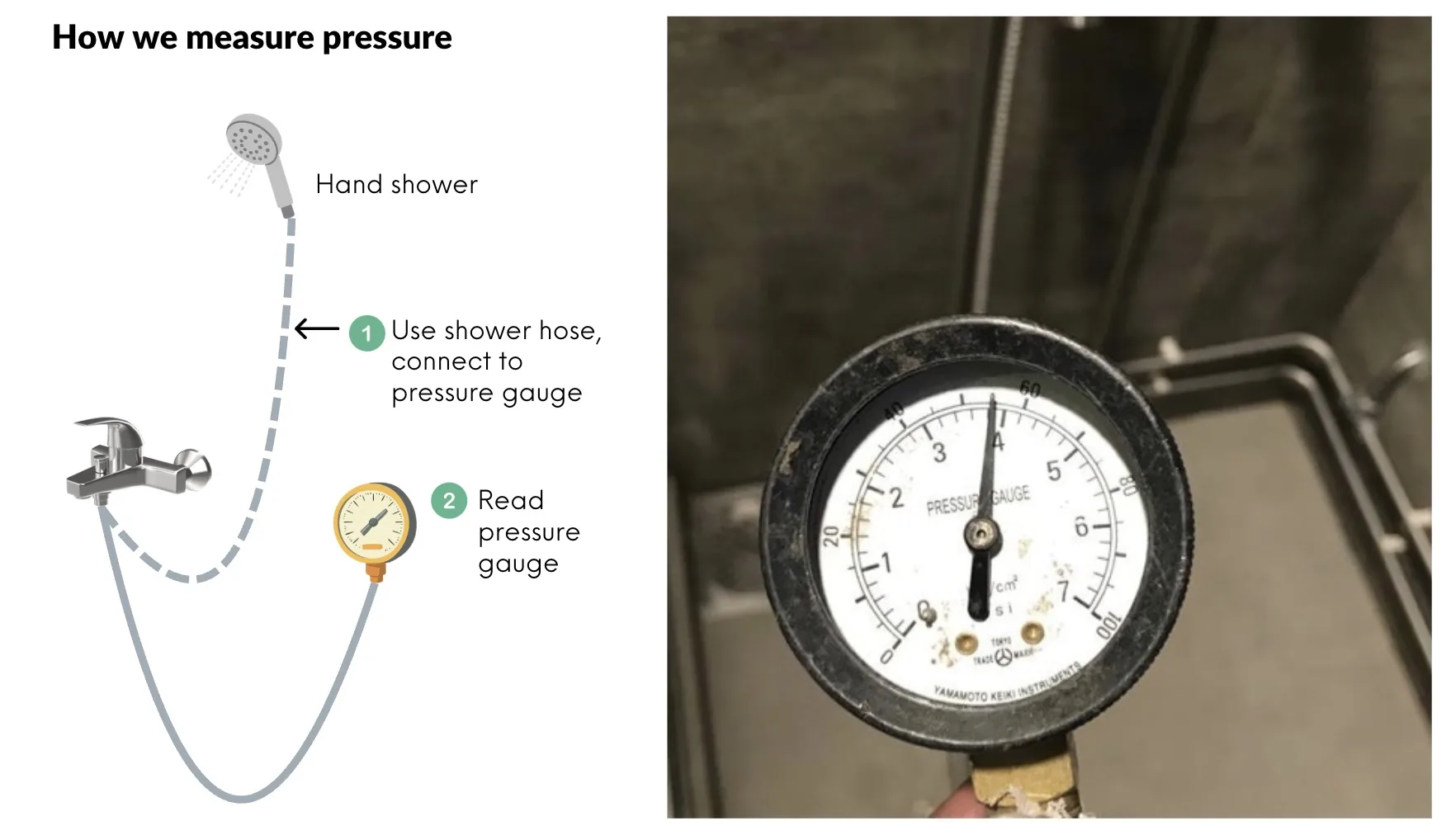
Why will pressure suddenly go up?
This is common in Singapore's high-rise blocks, which house many families. When neighbours shift out, fewer people draw water from the same pipe. Low demand means water pressure builds up higher. When your neighbours move in, more water is used water pressure drops back down.
Your water pressure can change over time, even if the way you use water stays the same. If your water pressure is too high, call the Town Council or MCST to get it checked.
A note on pressure testing:
Since pressure is not the same all day, you may want to note what time the leak happens most. Try to arrange a pressure check during that time.
5. Where Should Relief Valve Water Drain?
Resale HDB (before 2000):
If the heater is in a wet area, the valve can often be left to drip freely. Water drips into the wet shower area, and runs to the floor trap.
BTO layout (after 2000)
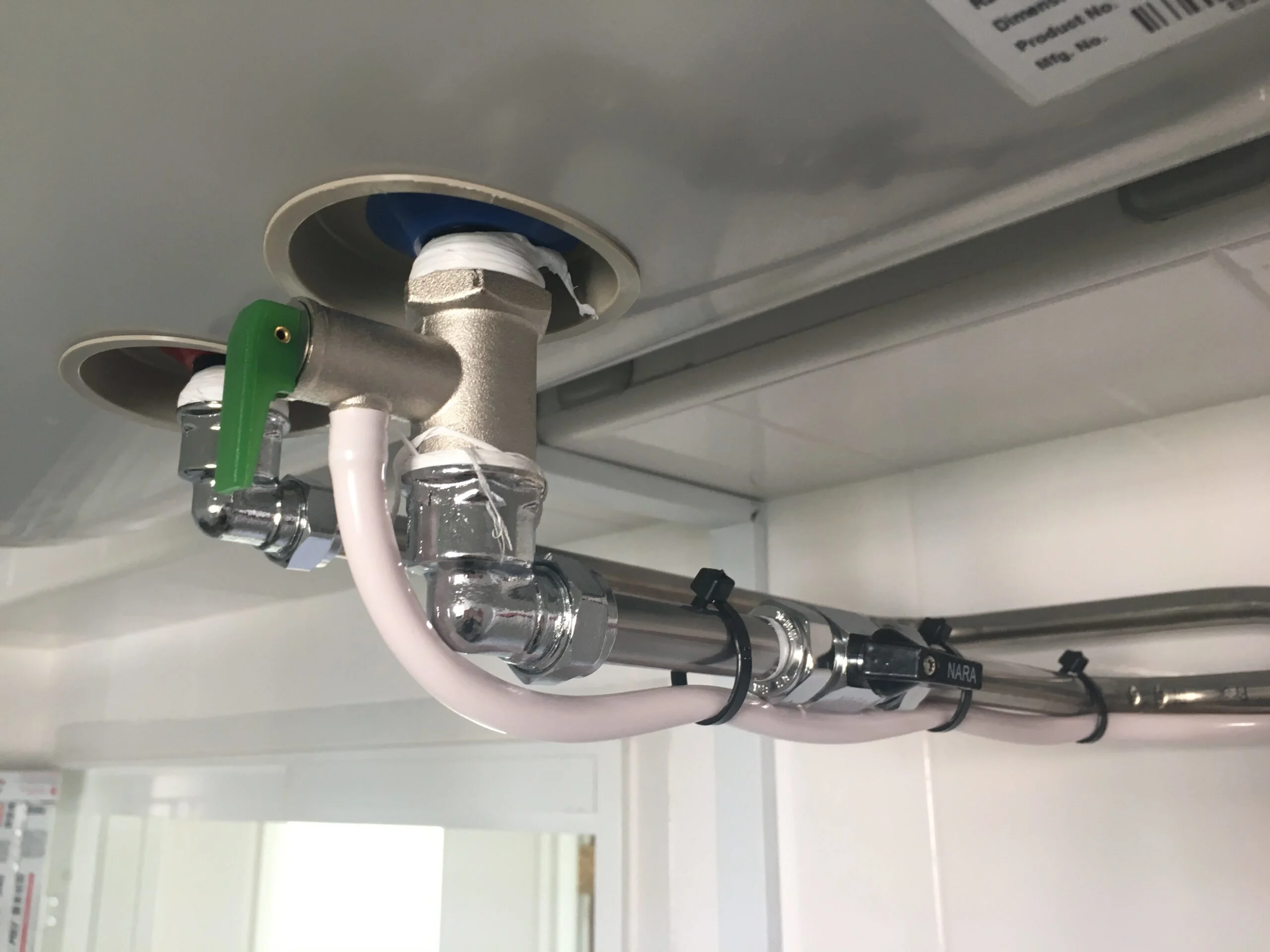
In BTOs, the heater is in a dry area, where free dripping is not ideal. HDB provides a drain point, and the dripping valve should link up here with a drain tube. This keeps the dry area drip-free.
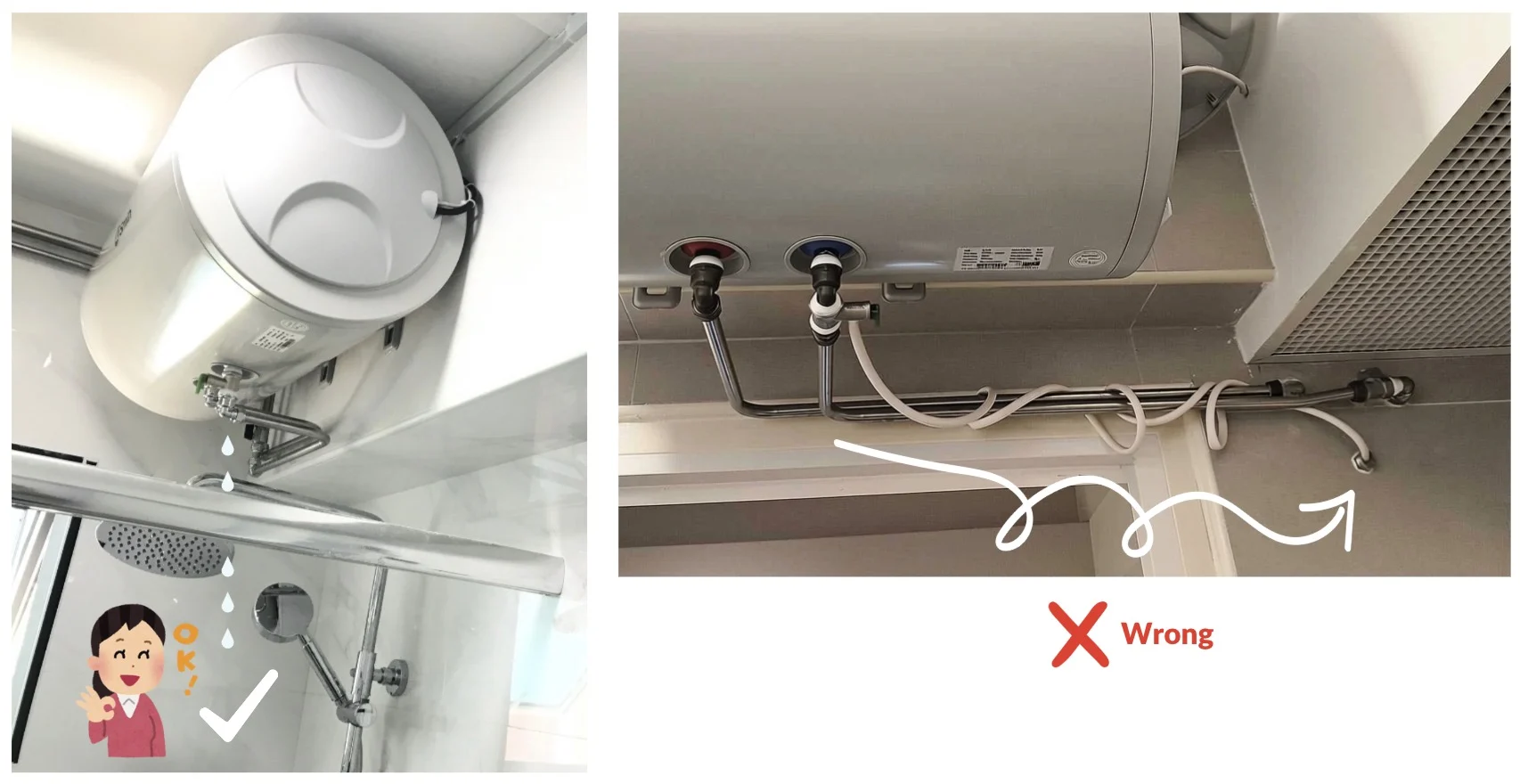
Wrong setup: tube coiled, or missing. Continuous water flow to drain point blocked. If the valve is not allowed to release water, pressure will build up in the heater tank and cause it to break. This wrong installation is not covered in the warranty.
Conclusion
Does your relief valve need to get checked? We recommend you maintain the heater, including the relief valve every 2 to 3 years. But if you spot something amiss, here is what to do: